

Zero Trust and the access gap
Access exceptions, unverified devices, and third-party logins can widen exposure faster than teams can review it. Could Zero Trust help close the gaps?
The cost of implicit trust
Applications, data, and users now span cloud, on-premises, and remote environments, yet many access decisions still rely on network location or static credentials. Shadow IT, third-party onboarding, and frequent exceptions add access paths that are hard to track.
As permissions spread, teams spend time investigating unusual logins, closing audit gaps, and deciding who should have access to what.
Inside the report:
- Where trust boundaries should sit
- How identity and device state shape access
- Which enforcement points need priority
- What keeps policies audit-ready
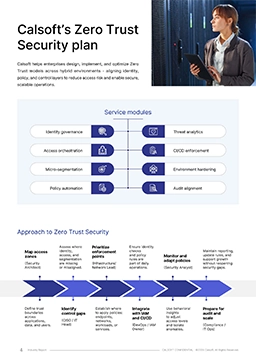
Zero Trust can limit exposure when every user, device, and request is verified before access and permissions are scoped by design. The report follows the path from mapping access zones and control gaps to policy enforcement, monitoring, and audit preparation, and outlines the service modules that support each stage.
Why download this industry report?
- Less room for lateral movement:
Micro-segmentation and least privilege access limit how far a compromised credential can reach. - Consistent access control:
Identity checks and policy rules apply across endpoints, networks, workloads, and services. - Security built into delivery:
Policy enforcement integrated with IAM and CI/CD keeps controls part of daily operations. - Audit readiness at scale:
Continuous reporting and updated rules support compliance as environments grow.

To Know More
About how we can align our expertise to your requirements, reach out to us.