
Have you ever wondered how safe your smart home devices are? In our increasingly digital world, everyday items are becoming smarter and more connected. This advancement brings incredible convenience but also significant security challenges.
The Internet of Things (IoT) has emerged as a business enabler, delivering operational and cost benefits across industries such as automotive, healthcare, Industrial IoT (IIoT), retail, financial services, and manufacturing.
The rapid evolution and adoption of IoT technology have accelerated digital transformation in enterprises, driving productivity and profitability. However, while IoT offers several advantages, the massive number of connected devices also presents major security challenges — especially from unsupervised and unsecured devices on networks.
So, what is IoT security, and why does it matter? Let’s explore the essentials of IoT technology and its security mechanisms.
What is IoT Security?
IoT devices are internet-connected devices capable of gathering and transmitting data. These include industrial machines, sensors, actuators, and smart devices that help organizations gather and analyze data for automation, remote monitoring, and improved efficiency.
When you think about your smart thermostat, fitness tracker, or refrigerator, you’re thinking about IoT devices. These make life easier but introduce risks. IoT security refers to the measures that protect these devices from attacks and unauthorized access. Since these devices collect and transmit sensitive data, securing them is critical to prevent cyber threats.
Key Components of IoT Security
An IoT security model can be viewed in two ways:
- Layered Architecture: Security spans all layers—from connectivity to application.
- End-to-End Security: Security is applied at all points, from end devices to the cloud.
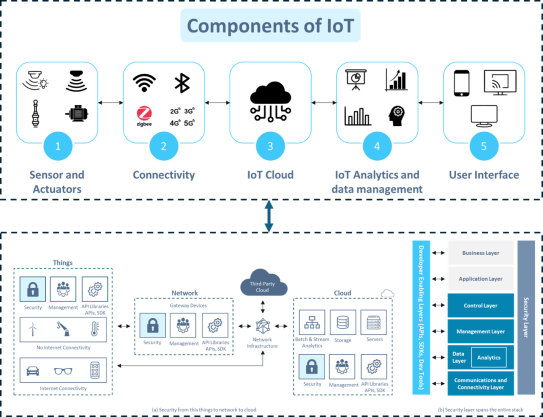
Let’s look at the core components of IoT security:
Transducers (Sensors & Actuators): Sensors collect data from the environment (temperature, motion, etc.), while actuators perform actions like triggering alarms or turning on lights.
Network Interfaces: Communication bridges like Wi-Fi and Bluetooth enable data sharing between devices. Securing these interfaces with strong encryption prevents unauthorized access.
Cloud: Stores and manages vast amounts of IoT-generated data, requiring robust access controls and encryption.
Analytics: Uses algorithms such as AI and machine learning to process IoT data for insights and real-time decisions.
User Interface (UI): Enables users to monitor and control IoT devices efficiently, enhancing user experience.
Examples of IoT Devices: Smart thermostats, security cameras, voice assistants, fitness trackers, industrial sensors, and smart city infrastructure.
Why is IoT Security Important?
What happens if your smart device gets hacked overnight? This is why IoT security is critical. With the growing number of connected devices, the security risks are increasing rapidly.
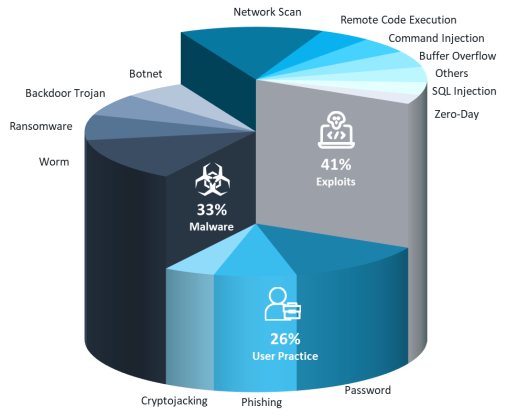
According to Palo Alto Networks, over 98% of all IoT device traffic is unencrypted. This makes it easy for attackers to intercept data. Using strong encryption is therefore essential.
Potential Access Points for Hackers
Each IoT device connected to your network can be an entry point for attackers. They exploit vulnerabilities to steal data or take control of devices. Securing every IoT device minimizes the risk of breaches.
Common IoT Security Issues and Challenges
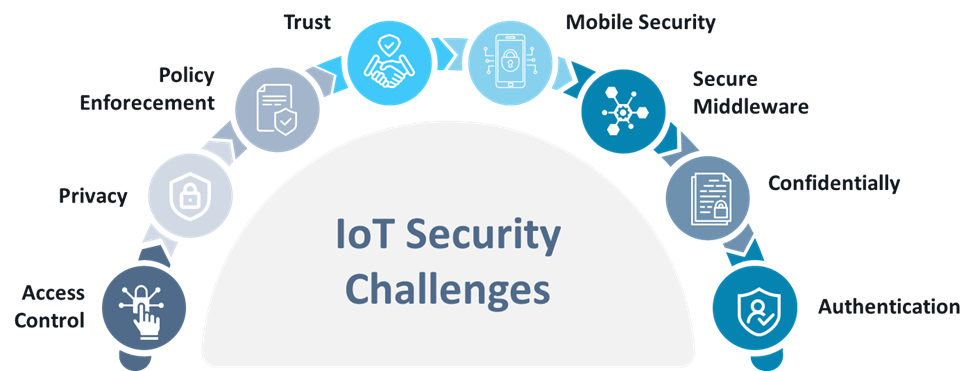
- Remote Exposure: Many IoT devices are accessible remotely, increasing the attack surface.
- Lack of Industry Foresight: Security standards often lag behind rapid IoT advancements.
- Resource Constraints: Limited processing power makes implementing strong security difficult.
- Weak Default Passwords: Many devices ship with default credentials that users fail to change.
- Multiple Connected Devices: Each additional device adds a new potential attack vector.
Strategies for Securing IoT Devices
- Profile Every Device: Maintain an updated inventory of all connected devices.
- Segment Networks: Separate IoT devices into distinct network segments to reduce exposure.
- Implement Zero-Trust Architecture: Never trust any device by default; validate all access requests.
- Limit Endpoints: Reduce the number of accessible network entry points.
- Monitor Communications: Continuously scan IoT traffic for unusual patterns.
- Enable Automatic Updates: Ensure firmware and software remain up to date.
- Change Default Passwords: Replace weak or default credentials immediately.
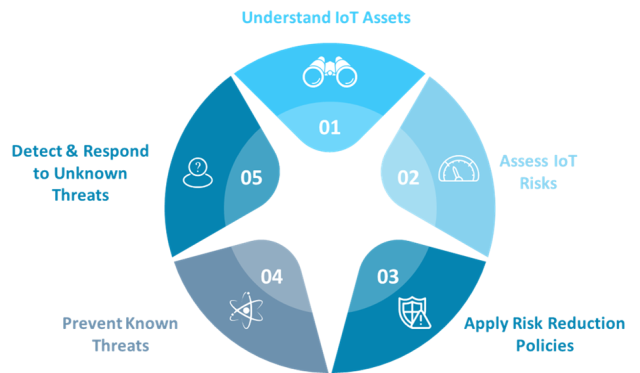
The following image showcases the best practices to address IoT security challenges.
Implementing Strong Authentication and Authorization Mechanisms
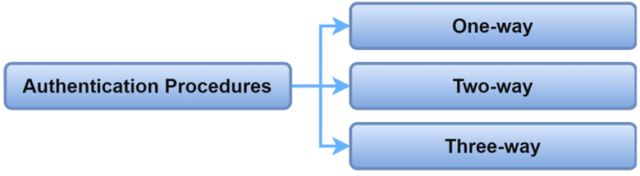
- One-way Authentication: The server verifies the client — simple but less secure.
- Two-way Authentication: Both client and server verify each other — more secure and widely used.
- Three-way Authentication: Involves a third-party validation — most secure but complex.
IoT device certificates are also crucial — they verify device identities and prevent unauthorized access, improving network security.
Ensuring Secure Encryption
Encryption safeguards your data’s confidentiality, ensuring only authorized users can access it. Strong encryption provides:
- Confidentiality: Keeps information private.
- Authentication of Origin: Confirms trusted data sources.
- Data Integrity: Prevents tampering during transmission.
- Sender Awareness: Confirms sender accountability.
Key Management: The Backbone of Data Protection
Effective key management ensures that encryption remains reliable. Regularly rotate, store, and safeguard encryption keys properly.
The Role of Encryption
While encryption is crucial, it must complement other security controls such as firewalls, intrusion detection systems, and routine audits.
Securing Firmware and Software Updates
Regular firmware and software updates close vulnerabilities that could be exploited by attackers. Keeping devices updated is the first line of defense.
Intrusion Prevention Systems (IPS)
For devices that cannot be updated, an Intrusion Prevention System (IPS) monitors and blocks malicious network activity, protecting unpatched devices from threats.
Network Access Control (NAC)
Use NAC to control which devices can connect to your network, allowing only trusted and authorized systems.
Segmentation of IoT Devices
Divide IoT devices into isolated network zones to contain potential breaches and limit impact.
Security Gateways
Implement gateways to monitor and filter traffic between IoT devices and networks, ensuring only legitimate data is transmitted.
Machine Learning (ML)
Integrate ML to detect anomalies and threats in real time, allowing faster, more accurate responses to potential risks.
Parting Thoughts
Securing IoT devices is not just about protecting gadgets — it’s about safeguarding data and privacy. By implementing strong IoT security practices, you can enjoy the benefits of smart technology without compromising safety. Stay proactive and informed about your IoT security to ensure a resilient digital ecosystem.
For over 25 years, Calsoft has helped global customers solve business challenges across storage, virtualization, networking, cloud, AI/ML, IoT, and security domains.