

If you’ve built a small, successful business but left your software vulnerable to cyber threats, the chances of facing irreversible losses are high.
This is where software engineering security comes into play. It involves measures to protect software systems from vulnerabilities, threats, and unauthorized access.
According to the State of Application Security Report by Synopsys, 78% of organizations experienced a security incident due to vulnerabilities in their software applications.
As software becomes integral to business operations and daily life, it’s crucial to address security from the ground up. Effective software engineering security ensures protection against vulnerabilities, cyber threats, and unauthorized access. This article covers key insights and strategies for securing your applications through strong software development security practices.
What is Software Security?
Software engineering security refers to the countermeasures used to protect applications from attacks, vulnerabilities, and unauthorized access. It ensures that systems remain secure, reliable, and resilient against new threats.
Enterprises depend heavily on software for operations, critical data storage, and customer relations. This reliance makes security in software development essential for maintaining integrity and customer trust. Security should be integrated at every step of the Software Development Life Cycle (SDLC).
Major Concerns and Threats in Software Security
Weak authentication, poor data encryption, and inadequate input validation are common risks in software development. Misconfigured access controls and insufficient testing can expose software to cyberattacks. Addressing these challenges is crucial for maintaining robust cybersecurity.
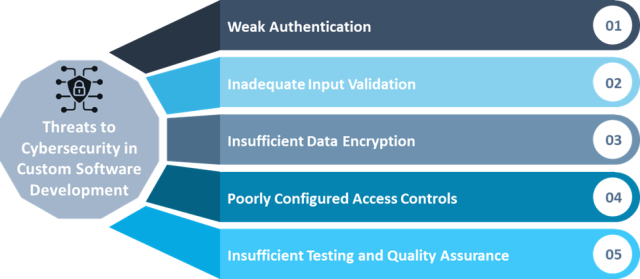
- Rapid Technological Changes: Emerging threats like zero-day vulnerabilities, APTs, and ransomware evolve constantly.
- Limited Resources: Budget and staffing shortages hinder robust security implementation.
- Integration Complexity: Difficulty embedding security in existing workflows.
- Human Error: Misconfigurations and coding mistakes can create vulnerabilities.
- Compliance Challenges: Navigating complex regulatory frameworks.
Why is Software Engineering Security Important?
Software engineering security protects your applications and data from cyber threats, ensuring compliance and customer trust. Poor security can result in data breaches, operational disruptions, and loss of reputation, potentially leading to business closure.
- Ensures business continuity: Minimizes downtime from cyberattacks.
- Maintains customer trust: Safeguards user data and privacy.
- Ensures regulatory compliance: Meets legal standards to avoid penalties.
- Prevents financial losses: Reduces recovery and remediation costs.
- Protects brand reputation: Maintains trust and public image.
- Enhances competitive edge: Demonstrates security commitment.
- Mitigates risks: Detects and addresses vulnerabilities early.
- Supports innovation: Enables secure feature releases.
Software Security vs Cybersecurity vs IT Security
While these terms are related, they differ in scope and focus:
| Aspect | Software Security | Cybersecurity | IT Security |
|---|---|---|---|
| Definition | Protects software applications from vulnerabilities. | Secures digital environments and networks. | Safeguards IT infrastructure and data. |
| Scope | Focuses on applications and code. | Broad coverage including networks and systems. | Hardware, software, and data protection. |
| Objective | Prevent vulnerabilities in software. | Defend against digital attacks. | Protect IT infrastructure from threats. |
| Practices | Code reviews, vulnerability assessments. | Firewalls, encryption, monitoring. | Access control, network security. |
Four Types of IT Security
IT Security protects both digital and physical assets. Here are its four primary types:
| Type | Description | Key Points |
|---|---|---|
| Network Security | Protects communications within networks. |
|
| Endpoint Security | Secures devices like laptops and mobile phones. |
|
| Internet Security | Defends against online attacks. |
|
| Cloud Security | Protects cloud data and connections. |
|
10 Key Principles of Software Engineering Security
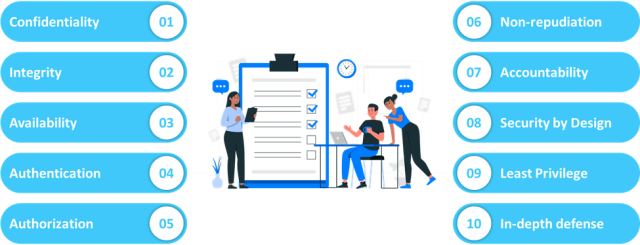
- Confidentiality: Protect sensitive data using encryption and access control.
- Integrity: Maintain data consistency and detect unauthorized changes.
- Availability: Ensure access to authorized users through redundancy and maintenance.
- Authentication: Verify identities using MFA, passwords, or biometrics.
- Authorization: Grant permissions based on roles and attributes (RBAC, ABAC models).
- Non-Repudiation: Prevent denial of actions using digital signatures and logs.
- Accountability: Log user activities for monitoring and audits.
- Security by Design: Integrate security principles during the SDLC.
- Least Privilege: Restrict user permissions to minimum required access.
- Defense in Depth: Layer multiple security measures to protect systems.
Integrating Security into the Software Development Life Cycle (SDLC)
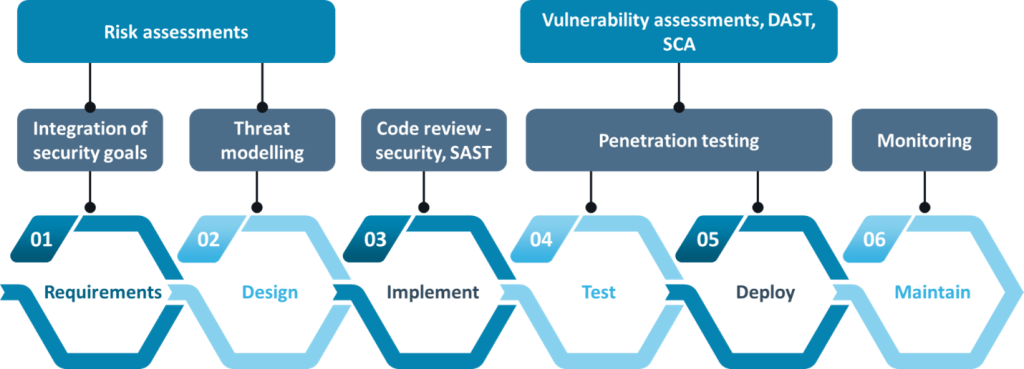
| Phase | Key Security Action |
|---|---|
| Planning | Define security requirements and perform risk assessment. |
| Design | Apply secure design principles and threat modeling. |
| Development | Follow secure coding practices and conduct code reviews. |
| Testing | Perform vulnerability scanning and penetration testing. |
| Deployment | Secure configurations and implement patch management. |
| Maintenance | Monitor systems and respond to incidents. |
| Training | Provide ongoing security awareness programs. |
Techniques and Tools for Enhancing Software Security
| Tool/Framework | Description |
|---|---|
| Static Application Security Testing (SAST) | Analyzes source code for vulnerabilities. |
| Dynamic Application Security Testing (DAST) | Tests running applications for flaws. |
| Software Composition Analysis (SCA) | Identifies third-party component risks. |
| Mobile App Security Testing | Assesses vulnerabilities in mobile applications. |
| Popular Frameworks |
|
Conclusion
Understanding software engineering security is essential for protecting applications from modern cyber threats. By embedding strong security measures into the SDLC, organizations can safeguard sensitive data, prevent breaches, and ensure long-term business resilience.
Calsoft’s security consultants assist businesses in evaluating, detecting, and responding to security challenges. With AI/ML-based prevention solutions and advanced penetration testing, Calsoft provides a secure foundation for digital growth.