

In today’s digital landscape, network security management is the backbone of any modern enterprise. With cyber threats evolving rapidly, it’s essential to deploy effective strategies to protect digital assets. The primary goal of a network security strategy is to continuously monitor, identify, and prevent cyberattacks that could disrupt business operations or harm an organization’s reputation. Hence, network security management is critical and non-negotiable for all enterprises.
This guide explores the significance of network security management with practical, actionable steps to strengthen your security posture. Let’s dive in!
What Is Network Security Management?
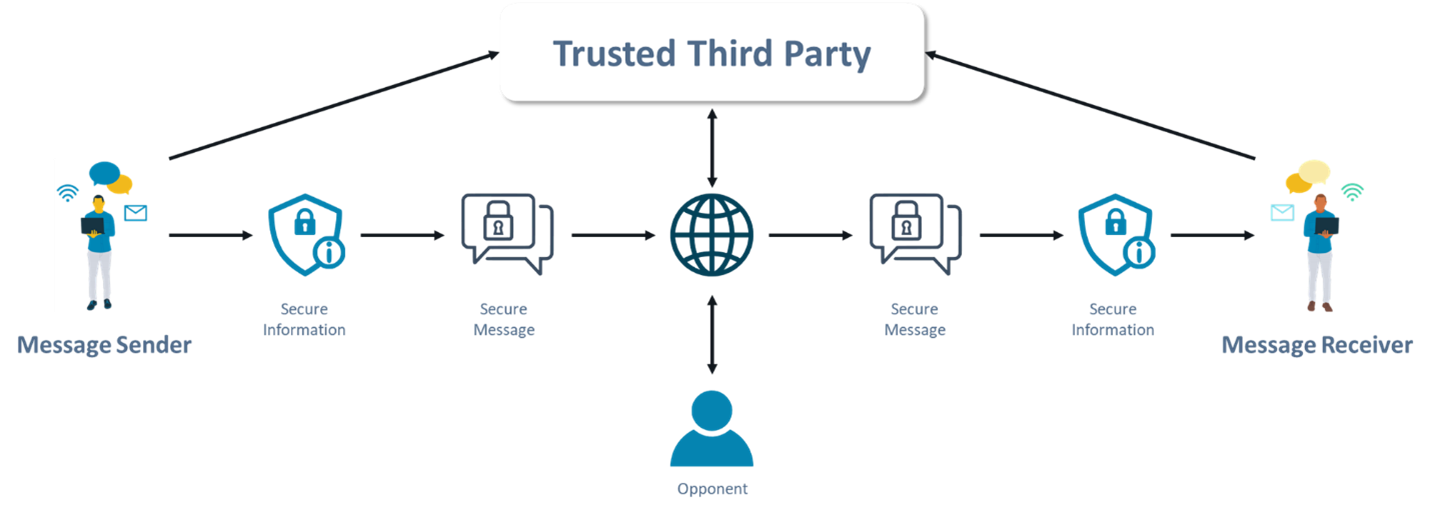
Network security management refers to the process of controlling access to network resources and monitoring their usage by internal and external users. It’s not only about keeping unauthorized users out but also ensuring that authorized personnel have appropriate access at the right times.
In short, it’s about protecting your network infrastructure using security policies, tools, and monitoring systems to detect and mitigate threats.
Why Asset Management Is Key to Network Security
Efficient security starts with visibility. Asset management ensures that you have a complete inventory of all network resources — both hardware and software. You can’t protect what you don’t know exists. Managing assets helps prioritize security efforts, minimize vulnerabilities, and respond swiftly to potential threats.
Types of Assets in Network Security
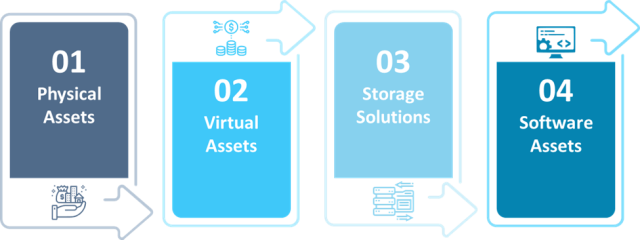
- Physical Assets: Includes servers, routers, mobile devices, and printers. Protect them with physical safeguards (locks, surveillance) and network defenses (firewalls, antivirus).
- Virtual Assets: Cloud-based services and virtual machines. Ensure strong cloud security and frequent software updates.
- Storage Solutions: Both physical and cloud storage must be regularly updated and secured against unauthorized access.
- Software Assets: Applications and tools — open-source or proprietary. Keep them updated and compliant with licensing policies.
By effectively managing these assets, enterprises can enhance their overall network security posture and ensure operational continuity.
Essential Components of a Network Security Model
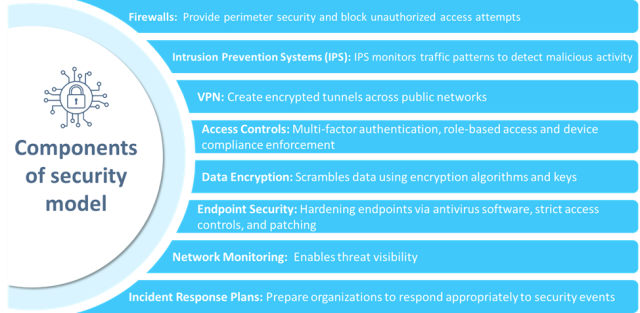
A robust network security model consists of multiple layers working together to protect systems’ confidentiality, integrity, and availability. These layers involve people, processes, and technology — all aimed at detecting and mitigating threats proactively.
- Efficient Network Infrastructure Management: Keep systems updated and organized to prevent vulnerabilities.
- Automated Update Policies: Use automation to regularly install patches and updates.
- Access Control: Limit access to sensitive data using least-privilege principles.
- Device Management: Regularly update and secure all connected devices.
- Internet Access Control: Use firewalls and web filters to restrict access to malicious or unnecessary sites.
- Proactive Threat Detection: Employ AI-driven threat detection systems to catch issues early.
- Endpoint Security: Secure every device with strong antivirus and real-time monitoring tools.
- Security Reporting: Generate periodic reports to identify trends, track incidents, and optimize response.
Compliance in Network Security Management
Definition and Purpose of Network Security Policies
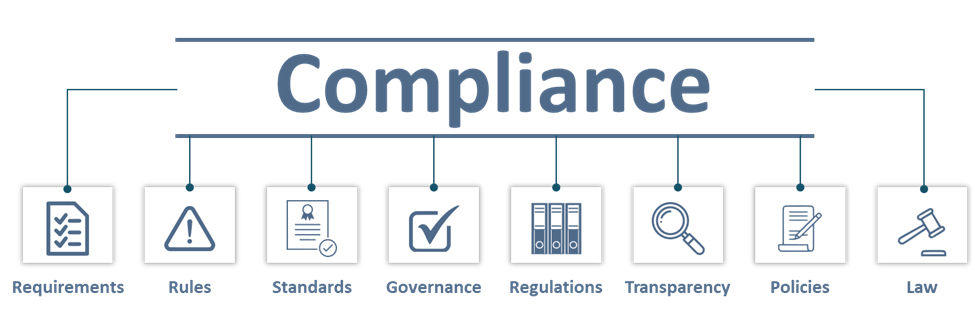
Network security policies are the formal guidelines and procedures for protecting data and systems. They define how to prevent unauthorized access, data misuse, or theft. Enforcing these policies ensures every user follows established security standards, reducing vulnerabilities and maintaining data integrity.
Benefits of Enforcing Compliance
- Prevents data breaches and minimizes financial and reputational losses.
- Ensures adherence to legal and regulatory frameworks (HIPAA, GDPR, ISO 27001, etc.).
- Builds trust with clients, stakeholders, and regulators by demonstrating data protection commitment.
Industries like healthcare and government require stricter compliance due to the sensitivity of data. For example, HIPAA mandates data confidentiality in healthcare, while government agencies must comply with stringent national security standards.
Developing Network Security Policies
Security policies act as blueprints for protecting digital assets. They define clear procedures to ensure data confidentiality, integrity, and availability.
Key Types of Network Security Policies
- Clean Desk Policy: Ensures all confidential documents are securely stored, preventing unauthorized access.
- Email Policy: Educates employees on identifying phishing attempts and handling attachments safely.
- Password Policy: Mandates complex passwords, regular changes, and password manager usage.
- Incident Response Policy: Defines steps to detect, manage, and mitigate security incidents quickly.
- VPN Policy: Ensures secure remote access through encrypted connections for remote employees.
- Patch Management Policy: Establishes regular updates for all systems and applications.
- Software Patching Policy: Focuses specifically on updating software applications to prevent vulnerabilities.
8 Steps to Improving Your Network Security
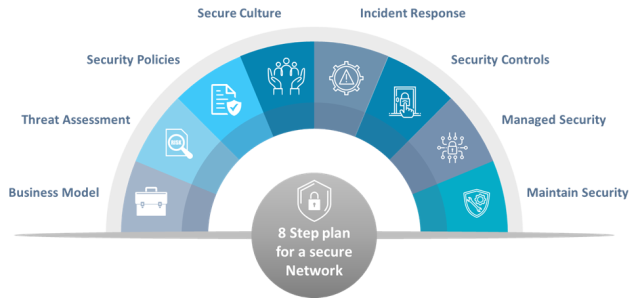
Step 1: Be Organized
- Create a detailed inventory of all assets (hardware, software, and data).
- Provide clear documentation and security guidelines for IT staff.
Step 2: Enforce a Strong Password Policy
- Mandate complex passwords with uppercase, lowercase, numbers, and symbols.
- Encourage the use of password managers for secure storage.
Step 3: Build a Vulnerability Management Program
Implement a continuous vulnerability assessment and patch management process to keep systems secure from exploitation.
Step 4: Install Endpoint and Antivirus Protection
- Deploy endpoint protection across all devices and manage centrally.
- Run regular scans and maintain updated antivirus definitions.
Step 5: Configure Firewalls Properly
- Install firewalls at network boundaries and internal segments.
- Review and update firewall rules periodically to adapt to new threats.
Step 6: Set User Access Permissions
- Adopt Zero Trust or least-privilege models to minimize exposure.
- Use SIEM tools to monitor access logs and detect unusual activities.
Step 7: Develop Data Backup Solutions
- Use reliable cloud or hybrid backup tools with regular testing.
- Define clear Recovery Point Objective (RPO) and Recovery Time Objective (RTO) metrics.
Step 8: Prioritize Email and Spam Security
Train employees to recognize phishing attempts and suspicious links. Conduct regular security awareness programs to reinforce safe email practices.
Conclusion
Implementing structured security strategies is vital for protecting digital assets and maintaining organizational trust. Adopting these best practices strengthens your network’s resilience, ensures compliance, and builds a robust defense against evolving cyber threats.
Calsoft provides unified network security solutions leveraging advanced software and hardware technologies to protect data confidentiality, integrity, and system availability.