
After a bright phase in the flat illustration trend, 3D graphics are making a comeback with their dynamic and engaging presence in the world of web and mobile user interfaces.
3D graphics and designs have become integral to our daily lives. They play a crucial role in modern engineering, as well as in movies, games, advertisements, and architecture. In web design, 3D graphics make creations stand out — adding excitement, interactivity, and emotional depth to digital interfaces.
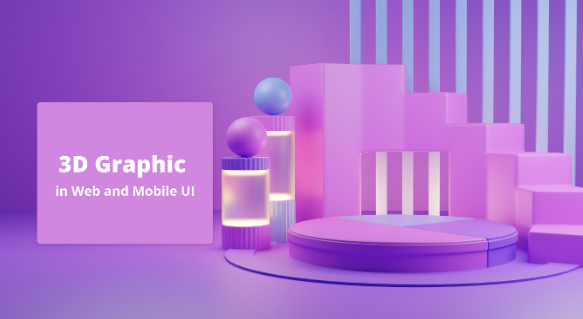
Three-dimensional graphics were introduced to the digital world decades ago and have evolved substantially since then. As web and mobile technologies advanced, browsers and UI frameworks became capable of rendering complex 3D visuals. This allows UI designers to create immersive, visually appealing experiences for modern web and mobile applications.

Inspiring Web and Mobile UI Concepts with 3D Graphics
Using 3D graphics in web and mobile UI is one of today’s hottest design trends. They can be used to create rendered backgrounds, interactive icons, buttons, and more. A common application is in animated characters that can change poses, alignments, and even expressions — making interfaces more engaging. By integrating 3D elements, designers can elevate brand perception and create memorable, interactive experiences.

Benefits of 3D Graphics in UI
- Standing Out from Flat Design: 3D graphics instantly capture user attention and make designs stand out from competitors. Even simple interfaces can appear more vibrant and modern.
- Creating a Live and Engaging Experience: 3D animations and touch effects on buttons, icons, and elements add a sense of liveliness and delight to the user experience.
- Reusable and Cost-efficient: Once created, 3D models can be reused across different platforms or products, saving time and effort while maintaining brand consistency.
- Delivering a Real-world Feel: Realistic 3D product models help customers understand exactly what they’re getting — providing an in-store-like experience in a digital setting.
- Enhancing User Experience: Well-composed 3D visuals draw user attention to key focal points, improving navigation and product presentation.
More Areas to Focus on for 3D Graphic Design
- 3D Illustration: Using 3D visuals for magazines, websites, product designs, advertising campaigns, animations, and interactive content.
- Game Design: Creating lifelike game environments, character models, and visual effects for immersive gameplay experiences.
- Movies & TV: Leveraging 3D animation for stunning visual storytelling in entertainment media.
- VR & AR: Enhancing virtual and augmented reality by overlaying digital 3D content onto the real world for richer user experiences.
- Product Visualization: Showcasing products from multiple angles with high accuracy, helping customers better understand the look and feel.
- Animated 3D Videos: Engaging users through creative 3D motion graphics that deliver brand messages dynamically.
- Marketing: Using 3D content to increase conversion rates, enhance brand perception, and stay competitive in a modern digital landscape.
Future of 3D Graphic Design
3D graphic design will increasingly integrate with voice user interfaces (VUI) — combining visual and auditory experiences for richer interactions. For instance, Apple’s Siri already employs 3D visuals during activation. In the near future, more 3D-driven interfaces will appear across digital products, improving human-device communication and reducing interaction time.
As 3D design tools become more accessible and user-friendly, we can expect innovative applications across industries — from marketing and retail to entertainment and beyond.