The world is moving toward Web3 faster than we can imagine, and like every other industry, the gaming sector has not remained untouched by its effects. Web3 represents an internet with more control and ownership for users — enabling real trading and authentic cryptocurrency-based transactions.
Two primary technologies power the autonomy of Web3:
- Blockchains: Distributed public ledgers where every transaction is recorded. Because they are shared and immutable, blockchains ensure authenticity and reliability of transactions — preventing counterfeiting.
- NFTs (Non-Fungible Tokens): Unique digital assets that serve as proof of ownership. NFTs run on blockchain technology and are fully traceable, so ownership history is transparent and verifiable.
What Makes Web3 Games More Popular Than Web2 Games?
Web3 games allow players to earn cryptocurrencies and NFTs that have real-world value. These games offer ownership of in-game digital assets, enabling players to sell or trade them for other crypto assets. The ability to earn while playing — known as Play-to-Earn (P2E) — makes Web3 gaming more appealing and rewarding than traditional Web2 games.
However, designing an engaging game is a complex process. It requires ideation, coding, testing, launching, and building a strong player base — all of which demand significant time and investment. A sudden switch from Web2 to Web3 could disrupt existing revenue models and operations.
Fortunately, Web2 game developers can transition their games to Web3 gradually. Here’s how:
1. Tokenize In-game Assets
Developers can start by tokenizing in-game assets such as weapons, armor, resources, or character outfits. Instead of being confined to a single platform, these assets can exist on the blockchain — enabling players to transfer, trade, or sell them.
By registering tokenized assets on a blockchain, developers grant true ownership to players. This approach not only enhances engagement but also opens up new revenue models, attracting investors and millions of gamers worldwide.
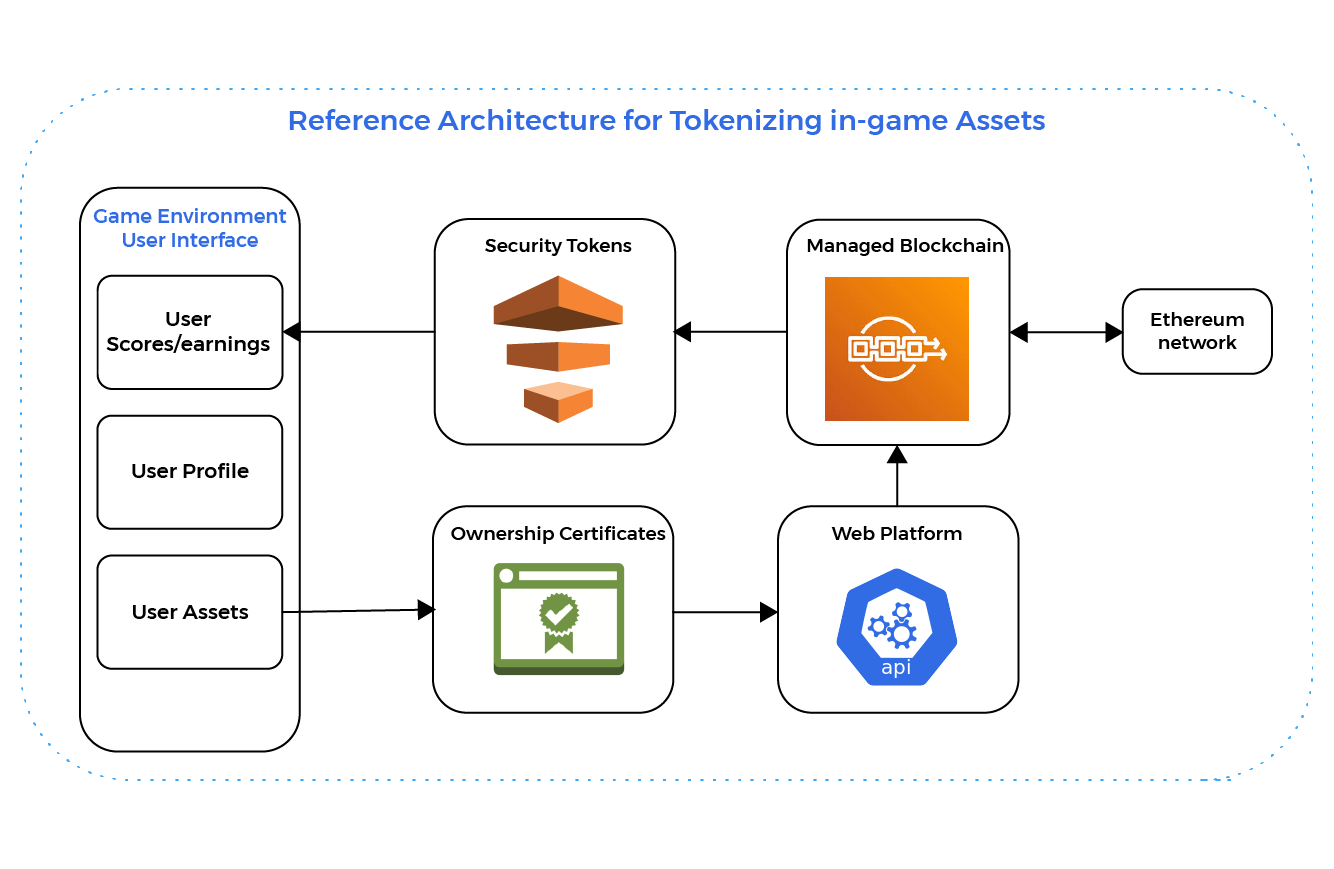
Figure 1: Tokenizing Game Assets
2. Create Games with NFT Capabilities
NFTs are evolving from collectibles to functional digital assets — serving as access passes or identity tokens within games. Players owning NFTs can unlock premium content, participate in exclusive community events, or access “NFT power-ups.”
Developers can integrate “claim” features in Web2 games to introduce blockchain-powered rewards. This approach introduces Web2 gamers to the Web3 world in a seamless and trusted way, encouraging engagement and rewarding community participation.
3. Games as NFTs
Another innovative approach is to convert Web2 games into NFT-based games. Instead of centralized developer ownership, players can own NFT-based versions of games, giving them the power to build communities and connect directly with creators.
This transformation enhances user freedom, fosters deeper interaction, and gives players a sense of true ownership. For instance, Shopify is exploring “tokengated commerce” — allowing NFT holders to access exclusive shopping experiences. Similarly, platforms like Twitter and Stripe are integrating Web3 functionalities to enrich user engagement.
Developers can maintain their Web2 game infrastructure while adding new Web3 features — such as NFT marketplaces — without disrupting in-game economies.
For example, Web2 developers can design Web3 NFT marketplaces for MMORPGs (Massively Multiplayer Online Role-Playing Games), allowing players to buy or sell NFT items using cryptocurrency via in-game exchanges. These exchanges can function independently of the game’s native economy.
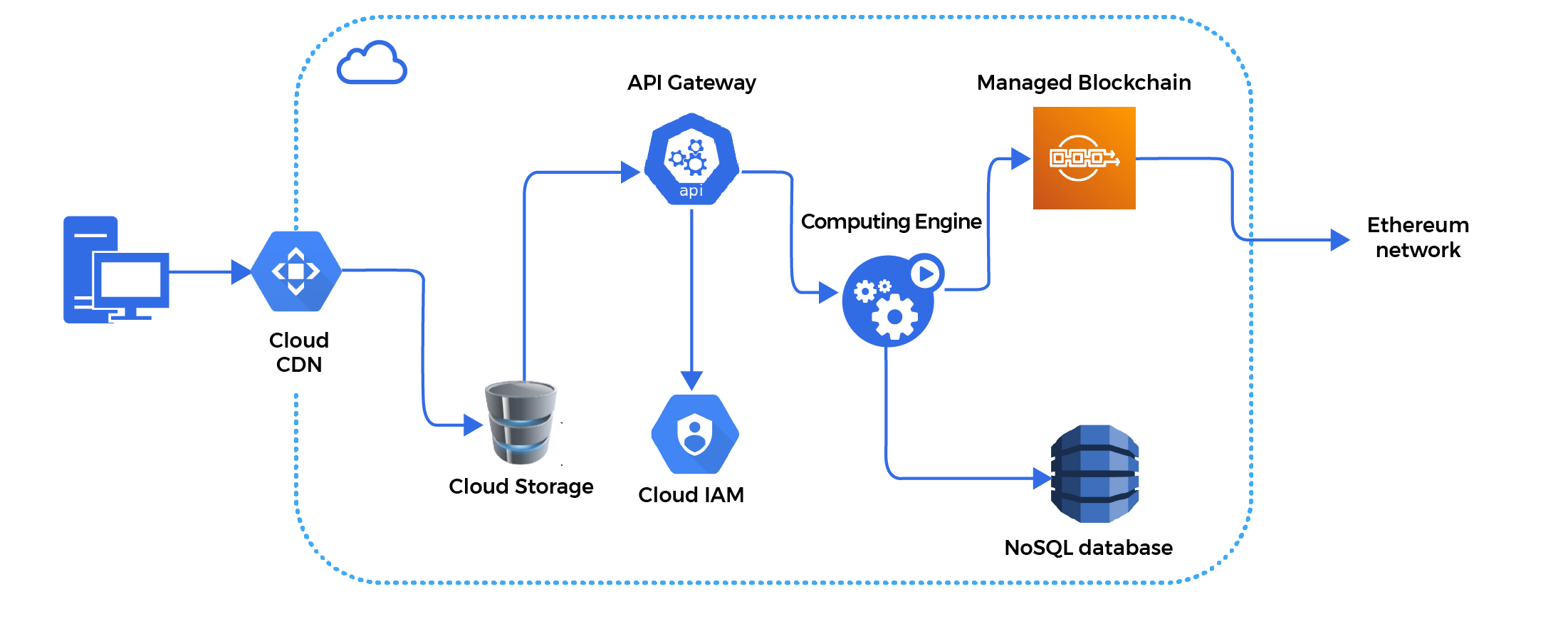
Figure 2: NFT Marketplace Reference Cloud Architecture
Key Components of an NFT Marketplace Platform
1. Blockchain Platform
Used to create, maintain, and manage blockchain-based transactions. Examples include Ethereum, Flow, and Stellar.
2. Storage Platform
A decentralized storage system that allows distributed file storage without relying on centralized servers. Examples include Storj, Filecoin, and BitTorrent.
3. NFT Standards
These define how tokens function and interact. Examples include ERC-721 for non-fungible tokens and ERC-1155 for both fungible and non-fungible tokens.
4. Front-end Framework
Tools used for developing user interfaces, such as React, Angular, and Vue.js.
Through Web3 NFT marketplaces, players will be able to trade NFTs via in-game exchanges that support only NFT transactions. These NFTs — such as wearable items or in-game collectibles — will be stored in players’ crypto wallets and can only be exchanged for cryptocurrency.
Additionally, NFTs can be traded externally on major Web3 exchanges like OpenSea or Fractal, or within custom marketplaces created by game developers. This allows both players and non-players to participate, increasing engagement and retention for the platform.