

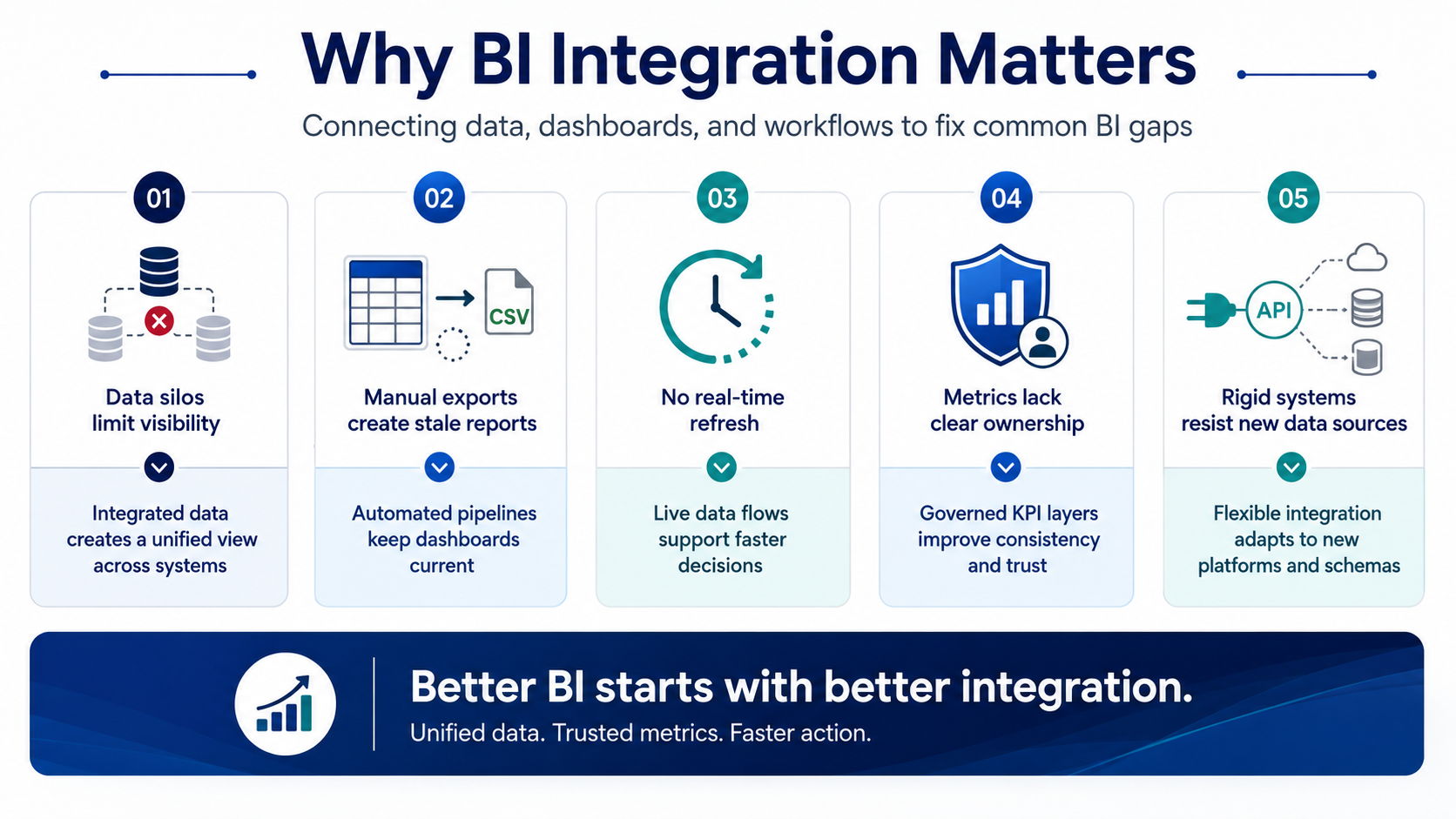
Every business interaction leaves a data footprint. A click, a transaction, a customer query, each one generates data. Most organizations have more data than they know what to do with. The problem is the inability to act on the data quickly and with confidence. Business Intelligence (BI) reporting changes that. It gives organizations the structure to move from raw numbers to decisions grounded in evidence. At the core of this process is data analytics. Business intelligence is no longer just about creating reports. For enterprises, the real value comes from connecting data, dashboards, and workflows so teams can act on the same data, at the right time, inside the tools they already use. That is where business intelligence integration becomes important. It brings BI platforms, enterprise data sources, visualization layers, and operational systems together into one governed analytics experience. Instead of isolated dashboards and manual reporting cycles, teams get role-based insights that support faster and more consistent decisions.
How BI integration works
Business intelligence integration connects enterprise systems with analytics and visualization platforms, helping teams turn operational data into clear, actionable insights. Data from finance, procurement, collections, and accounting systems is unified, cleaned, and delivered into BI dashboards, reports, and enterprise reporting workflows. With the right BI integration strategy, organizations can improve data visibility, track KPIs in real time, and support faster business decisions. Process mapping frameworks like Business Process Model and Notation (BPMN) can also help teams understand how data moves across systems and where analytics workflows can be improved.
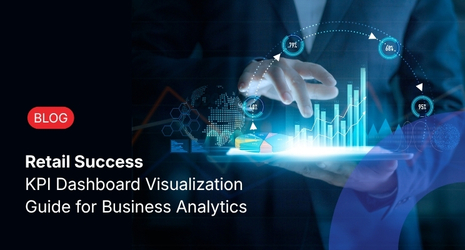
A BI integration architecture connects data extraction from ERP, finance, and operational systems with transformation processes that clean, standardize, and validate information. This prepared data is stored in centralized data warehouses and delivered through visualization tools such as dashboards, reports, and charts. With strong security and governance controls, organizations gain trusted insights to monitor performance, improve planning, and support faster business decisions.
Calsoft’s business intelligence integration services are built around connecting BI tools, data, and workflows for real-time, role-based insights. The focus is on helping enterprises build an integrated analytics foundation that improves adoption, governance, and time to insight. Calsoft fixes that. We integrate your BI stack — Tableau, Power BI, Looker, Qlik, Snowflake, Redshift, BigQuery, and more, so dashboards reflect live data. Insights reach the right people, in the right context, inside the tools they already use.
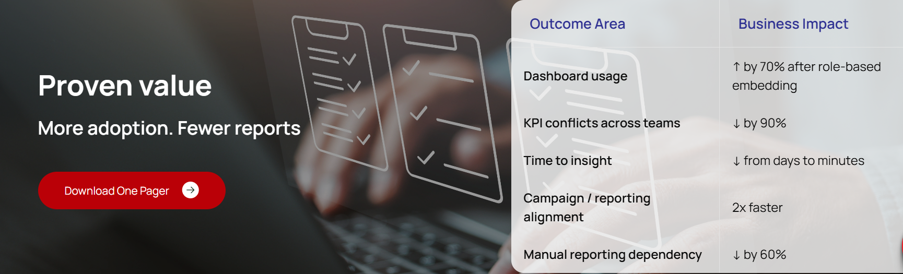
The results speak for themselves: dashboard usage up 70%, KPI conflicts down 90%, time to insight reduced from days to minutes. We work in four steps — map KPI ownership, assess data sources, build governed connections, then embed and scale. The result is a single analytics layer that turns operational data into decisions that move the business forward.
Conclusion
Business Intelligence integration connects enterprise systems — ERP, CRM, and financial platforms to analytical tools that turn raw data into decisions. It consolidates data from multiple sources into unified dashboards, giving teams real-time visibility into performance, trends, and KPIs. The outcome is sharper planning, faster reporting, and strategic decisions grounded in evidence.
FAQs
1. What is business intelligence integration?
Business intelligence integration connects data from different enterprise systems and brings it into BI platforms for reporting, dashboards, and analytics.
2. Why is BI integration important for analytics and visualization?
BI integration helps teams work with unified, accurate, and timely data, making dashboards and reports more reliable for business decisions.
3. How does BI integration improve workflows?
BI integration connects insights with business workflows through alerts, reports, and automated actions, helping teams move from data analysis to faster execution.